Airport Currency Exchange in China: Worth It or Avoid?
Landing in China after a long international flight can be overwhelming.
You clear immigration, collect your bags, and suddenly realize you need RMB for the taxi, high-speed rail ticket, or a quick meal.
Airport currency exchange counters are right there, promising convenience.
But in 2026, are they still a smart choice?
Short Answer: Usually avoid them for anything beyond small emergency cash. Airport rates are consistently worse than those in the city, often costing you 2–7% (or more) in hidden spreads and fees.
This comprehensive 2026 guide will help you understand exactly how airport currency exchange works in China, when (if ever) it makes sense to use it, and — most importantly — the much better alternatives that will save you time and money.
Whether you’re a first-time visitor, digital nomad, or seasoned expat, this post covers everything from real rates and major airport details to step-by-step processes and pro tips.
1. How Airport Exchange Rates Compare in 2026
China’s foreign exchange market remains tightly regulated by the People’s Bank of China (PBOC).
All official exchanges, including those at airports, follow the daily reference rates, but airport operators add significant markups for convenience.
Real Example (as of late May 2026):
- Bank of China city branch mid-market rate: ~1 USD ≈ 6.78–6.80 RMB
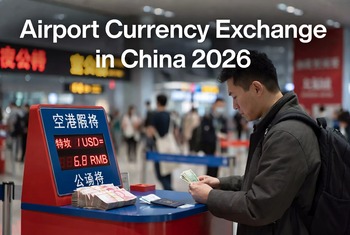
- Airport counter rate: Often 1 USD ≈ 6.45–6.60 RMB
On a $500 exchange, this difference could mean losing $15–35 USD instantly.
For $1,000 or more, the loss becomes even more painful.
These markups come from wider buy/sell spreads and sometimes additional service fees.
Unlike city banks where competition keeps spreads tight, airport counters operate in a near-monopoly environment for arriving passengers.
Rates fluctuate daily, but the pattern remains consistent: airports are among the most expensive legal options in China.
This has been a common complaint from travelers for years, and 2026 shows little improvement despite increased tourism.
2. Major Airports and What to Expect
China’s largest international gateways have well-staffed currency exchange facilities, but experiences vary.
Beijing Capital International Airport (PEK):
- Multiple counters in both Terminal 2 and Terminal 3 arrivals.
- Often operated by Bank of China or licensed partners.
- Hours: Many 24/7 or extended (early morning to late night).
Shanghai Pudong International Airport (PVG):
- Over a dozen counters across terminals.
- Strong presence of Bank of China and Travelex-style services.
- English-speaking staff common; clear signage.
Guangzhou Baiyun (CAN) and Shenzhen (SZX):
- Reliable options with good coverage.
- Slightly better hours in southern hubs due to high business travel volume.
General Experience:
- Counters are usually located right after baggage claim and customs.
- Staff are generally professional and many speak basic English.
- Accepted currencies include major ones: USD, EUR, GBP, JPY, AUD, CAD, and more.
- Transaction time: 5–15 minutes depending on queues.
Pros of Airport Exchange:
- Immediate access — no need to leave the airport.
- 24-hour availability at major hubs.
- No need for prior planning.
- Passport is usually sufficient for smaller amounts (up to ~USD 500 equivalent in many cases).
Cons:
- Poor exchange rates (2–7%+ worse).
- Potential long lines during peak international arrival times (evenings and mornings).
- Limited privacy and sometimes pressure to complete the transaction quickly.
- Higher chance of receiving larger denomination RMB notes, which can be inconvenient for small purchases.
3. Step-by-Step: What Happens at the Airport Counter
- Approach the counter and present your foreign currency and passport.
- Teller checks the condition of your notes (they must be clean and undamaged).
- You’re quoted the current rate — always ask to see it in writing.
- Confirm the amount you’ll receive in RMB.
- Sign any required forms and complete the transaction.
- Count your RMB carefully before leaving the counter.
Pro Tip: Always calculate the expected amount using the Bank of China official rate (available via their app or website) beforehand so you can spot a bad deal immediately.
4. When It’s Okay to Use Airport Exchange
Despite the drawbacks, there are legitimate scenarios where using an airport counter is acceptable:
- Small emergency cash: Need RMB 300–800 for a taxi or SIM card upon arrival.
- Late-night arrivals when ATMs or apps might feel overwhelming.
- Travelers without international cards or who prefer cash-only for the first day.
- Families with children who need quick, simple transactions.
Rule of thumb: Limit it to under USD 200 equivalent unless you have no other options.
5. Much Better Alternatives in 2026
Here’s where you can save the most money and hassle.
International ATMs (Top Recommendation):
- Located in arrivals halls at all major airports (look for Bank of China or ICBC machines with Visa/Mastercard logos).
- Rates are close to mid-market, minus your bank’s foreign transaction fee (often 1% or less with good cards).
- Daily limits usually allow RMB 10,000–20,000 per withdrawal.
Digital Payment Solutions:
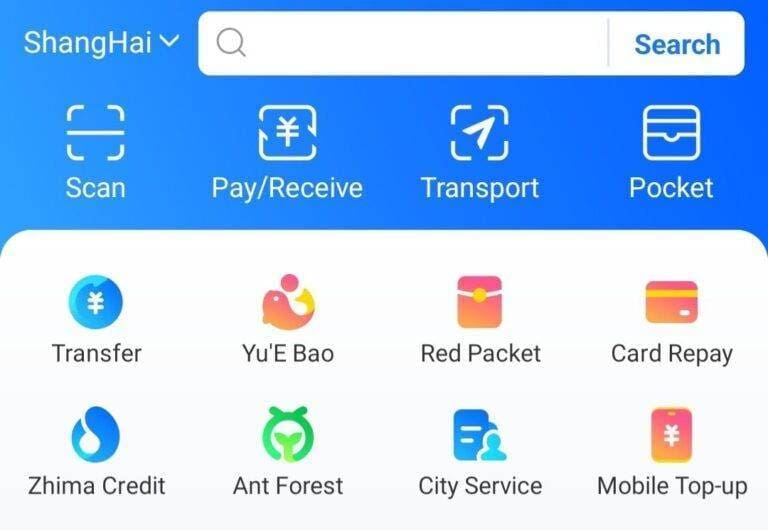
- Alipay Tour Pass or WeChat Pay International: Link your foreign card and pay instantly everywhere. This has become the #1 method for most visitors in 2026.
- No need for physical cash for most transactions.
Pre-Arrival Planning:
- Use Wise, Revolut, or similar fintech apps to order RMB or transfer funds digitally.
- Exchange a small amount in your home country if rates are favorable.
City Banks the Next Day:
- Head to any Bank of China branch for the best rates and full service.
Comparison Table: Airport vs Other Options
| Option | Key Advantages & Notes |
|---|---|
| Airport Counter | Very convenient but poor rates (2–7% worse). Only for small emergency cash. |
| City Bank (BOC) | Best rates and reliability. Ideal for larger amounts. |
| International ATM | Good rates and fast. Highly recommended upon arrival. |
| Digital (Wise/Alipay) | Best overall rates with maximum convenience. |
6. Common Mistakes and Real Traveler Experiences
Many travelers regret exchanging large amounts at the airport. Common stories include:
- Losing 5%+ on a $1,000 exchange and realizing it only later.
- Receiving worn or large-denomination notes that vendors struggle to change.
- Long waits that could have been avoided with an ATM.
One frequent piece of advice from expat forums: “Withdraw RMB 500–1000 from an ATM for immediate needs, then exchange properly in the city the next morning.”
7. Essential Tips for Expats and Travelers
- Bring new, crisp foreign currency notes — banks and counters reject damaged ones.
- Always carry your passport.
- Download the Bank of China app or check rates online before landing.
- Notify your bank of travel to avoid card blocks on ATM withdrawals.
- Consider a no-foreign-transaction-fee credit/debit card.
- Track your annual foreign exchange quota if staying longer (USD 50,000 equivalent per person).
Clean Notes Matter: Tellers are strict. Creased or marked bills may be refused.
8. 2026 Updates You Should Know
- Increased support for foreign card linking in Alipay and WeChat.
- More Foreign Guest Payment Service Centers at airports.
- Stable but regulated exchange rates with minor daily fluctuations.
- Growing emphasis on digital payments reducing the need for large cash holdings.
FAQ Section
A: Typically 2–7% compared to city banks.
A: Amounts over RMB 20,000 equivalent should be declared on entry/exit.
A: Yes, but expect similar poor rates. Better to do it earlier in the city.
A: They may be rejected. Always bring pristine notes.
A: Yes, especially official bank machines in well-lit areas.
Final Recommendation for 2026
Skip airport currency exchange for all but the smallest, most urgent needs.
Modern tools like international ATMs, Alipay Tour Pass, and fintech apps make it easy to avoid expensive markups.
Plan ahead, use digital options where possible, and save your cash exchanges for proper bank branches.
You’ll start your trip with more RMB in your pocket and less stress.